

 The Minnesota Department of Transportation (MnDOT) Office of Aeronautics has granted a total of $8 million to improve infrastructure and enhance safety, sustainability, and service. Aeronautics selected 57 projects across 39 Minnesota state airports, ranging in size from small planning grants to large-scale pavement projects and from as far north as Roseau Municipal Airport and as far south as Fairmont Municipal Airport.
Aviators and other airport visitors will see new and rehabilitated pavement on runways and taxiways; apron updates with new concrete tie-down pads and security lighting; rehabilitated turf runways; and improvements to terminal buildings and fuel facilities.
Funded by the Minnesota State Airports Fund, which is in turn supported by aviation fuel and sales taxes and aircraft property and registration fees, these projects benefit not only those actively using the airports but act as economic boons to the surrounding communities and broader Minnesota.
“These projects reflect MnDOT’s ongoing commitment to supporting safe and sustainable aviation,” said MnDOT Commissioner Nancy Daubenberger. “Minnesota airports act as economic catalysts for all corners of the state, providing crucial transportation hubs to connect people, businesses, and emergency services and vital centers for aviation training and job development.”
Planning on visiting any Minnesota airports? Check out the Fly Minnesota! Passport Program. Visit the Aeronautics Capital Grant Funding Page for more information on the funded airports and projects.
Two Major Infrastructure Aviation Projects Break Ground
Duluth International Airport (DHL) is erecting a new air traffic control tower. Initially built in 1952, the current tower is the third oldest in the nation and no longer meets FAA standards. The new tower will be better able to accommodate staff and newer technologies and tall enough to provide necessary sightlines, serving DHL and approximately 7,000 square miles of the surrounding area.
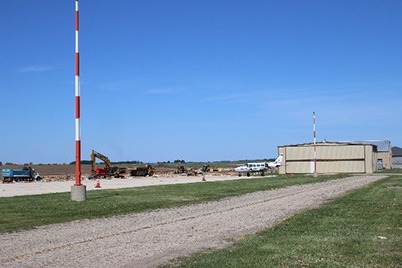 Rochester International (RST) is upgrading their General Aviation infrastructure with new pavement and expanded space to provide smoother landings, expand business opportunities, and accommodate a more diverse range of clientele, including recreational pilots, aviation flight schools, and business leaders in company jets. The new infrastructure is also more eco-friendly, with dark sky compliant lighting and updated flood water management systems.
Both projects will safeguard Minnesota’s skies, advance aviation, and uphold the aeronautics infrastructure that bolsters Minnesota’s economic vitality.
Pilots flying into DHL and RST have likely seen the projects’ progress thus far and can anticipate seeing them completed in 2028.