
© Copyright 2026 All Rights Reserved
To paraphrase – “Clothes Make the . . . Pilot.”
This article has nothing to do with fashion.
I am not a fashion expert, and I am more than sure (based on what I observe around the FBOs, ramps, and hangars I frequent) most other pilots are not fashion experts either.
This article is about general aviation (GA) pilots making smart choices in what they wear when sitting in a cockpit, just as they would make good choices with any other aspect of their flying.
I do not claim that what a pilot chooses to wear in the cockpit makes him or her a better pilot.
I will not insist on what pilots should wear in the cockpit – that is, and always has been, entirely up to you.
A few years ago I attended a talk given by a pilot who is also an air traffic controller (formerly at KMSN and currently with the Minneapolis Air Route Traffic Control Center). He also spends time flying a Sikorsky UH-60 Black Hawk helicopter for the Minnesota Army National Guard.
His presentation was about the level of preparation and planning that military pilots undertake prior to flying a mission, including evaluating current and forecast weather, considering course and altitude options, planning for contingencies or emergency events, and completing an extensive risk analysis worksheet prior to any rotor blades turning.
One part of his talk was unusual. I have been attending aviation presentations since 1992 and never have I heard any presenter speak specifically to the clothing worn by a pilot in the cockpit. This Air Guard aviator wanted to emphasize to his GA audience the importance of what you choose to wear and how it can affect your personal safety.
He discussed in detail how he and his fellow crewmembers suited up for a flight, noting the military’s requirements for a helmet with visor, Nomex flight suit and Nomex gloves, and sturdy boots. He pointed out the risks of high heat, fire exposure, and harsh operating conditions necessitated what he wore.
Of course, flying a Black Hawk helicopter is quite different than flying a Piper Cherokee. However, the safety points he emphasized remain the same for either military or civilian pilots – wear clothing that can help keep you safe.
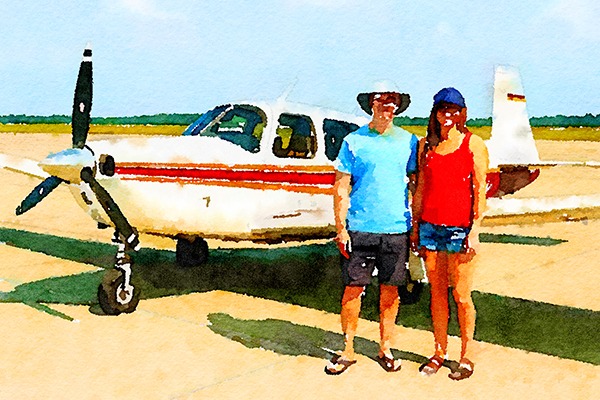
We have all witnessed pilots on sultry summer days climbing into GA aircraft wearing nylon T-shirts, polyester shorts, and sandals. Comfortable clothing in warm weather? – no doubt. But safe?
Clothing is part of a GA pilot’s safety equipment, just like a headset, flotation device, or a fire extinguisher. Thoughtful choices can protect you from fire, cold, sun exposure, and the unexpected realities of an off-airport landing. Careless choices can make a bad situation worse.
Clothing is one of the few pieces of “equipment” that stays with a pilot through every phase of flight, including the ones we hope never to experience. The right choices can improve survivability in an emergency landing.
Thoughtful cockpit attire is not about trendy faux-leather bomber jackets, mirrored aviator sunglasses, and “looking the part.” It is about being prepared for the environments pilots may suddenly find themselves in, whether that is a fire in the cockpit, a cold Wisconsin field in January, or a sun‑baked Arizona desert in July.
Here are suggestions on how to dress with safety and practicality in mind.
Fire Safety: Choosing Fabrics That Protect, Not Endanger
Fire is one of the most serious hazards in aviation. Clothing and footwear play a surprisingly large role in how a pilot fares in a cockpit fire. Many everyday fabrics – especially synthetics – can melt onto the skin, causing severe burns even without direct flame contact.
Best Choices:
- Natural fibers: Cotton, wool, and leather resist melting and provide a buffer against heat. A pair of cotton pants or jeans and a long‑sleeve cotton shirt offer far better protection than dri-fit shorts and a polyester T‑shirt.
- Fire‑resistant (FR) garments: While not required for GA pilots, FR flight suits and gloves made from Nomex or similar materials offer excellent protection. They are breathable, durable, and designed for cockpit mobility.
- Leather boots or shoes: Leather is tough, resists heat, and provides foot protection if you need to kick out a plexiglass window, step through sharp metal shards and hot debris, or travel over rough terrain after an emergency landing.
Avoid:
- Polyester, nylon, fleece, and spandex: These melt quickly and can fuse to the skin.
- Shorts, sandals, or open‑toe shoes: They expose skin and offer no protection in a fire or a rough landing.
Even if you are flying a well‑maintained aircraft on a sunny day, FR or natural fiber clothing are simple, low‑effort ways to reduce risk.
Cold Weather: Dressing for the Environment You Might Land In
Pilots often dress for the cockpit environment, not the outside world. That is fine until the engine quits over a frozen marsh or a remote stretch of farmland. In northern states like Minnesota, Michigan’s UP, Wisconsin, or the Dakotas, temperatures can drop dangerously low, especially at night or in winter.
Layering Is Your Best Friend:
- Base layer: Moisture‑wicking wool or cotton to keep sweat off your skin.
- Mid‑layer: A warm cotton or wool sweater (natural fibers preferred for fire safety).
- Outer layer: A durable jacket that can handle wind, cold, and light precipitation.
Keep Cold‑Weather Gear Within Reach
Even if you choose not to wear a heavy coat or gloves in the cockpit, keep them accessible – not buried in the baggage compartment. In an emergency, you may not have time to dig for them.
Hands and Feet Matter
- Gloves: Thin leather or Nomex gloves allow you to manipulate controls while offering protection from cold and fire.
- Footwear: Insulated boots are ideal in winter, but at minimum choose sturdy shoes that can handle snow, ice, or rough terrain. Keep in mind there is a tradeoff between a thick, sturdy sole and a more pliable one. You still need to operate rudder pedals and brakes effectively.
I purchased a pair of Nomex gloves from a military surplus store at a very reasonable price a few years ago and keep them easily accessible in the cockpit. In the winter, I wear ankle-high (6”) boots with a softer, more flexible sole so I can better feel the controls.
Hot Weather: Staying Cool Without Sacrificing Safety
Summer flying tempts pilots into shorts, T‑shirts, and sandals. Unfortunately, those choices leave you vulnerable in a fire or emergency landing.
Better Warm‑Weather Options:
- Lightweight cotton pants or jeans: Breathable but protective.
- Long‑sleeve cotton shirts: Shield from sunburn and reduce dehydration.
- Ventilated leather shoes: Keep feet cool while maintaining protection.
Sun Exposure Matters
Cockpits can act like greenhouses. Long sleeves and a hat (worn before and after flight) help prevent sun fatigue, which can impair judgment.
Emergency Landings: Dressing for the Terrain You Did Not Choose
A forced landing rarely happens in a convenient location. Clothing becomes survival gear the moment the aircraft stops moving.
Footwear for the Unexpected
Your shoes should allow you to:
- Walk through tall grass, mud, or snow.
- Climb over jagged metal, fences, or rocks.
- Move quickly away from the aircraft if necessary.
Running shoes are acceptable, but leather shoes or boots offer superior protection.
Pockets Are Underrated
Cargo pants, vests, and jackets with multiple pockets let you carry:
- A small flashlight.
- A multitool.
- A lighter, fire starter, or wind-proof matches.
- A whistle.
- A granola bar or other snack.
- A signaling mirror.
- A compact first‑aid kit.
- A packable emergency thermal blanket.
These items are invaluable if you are forced down outdoors, separated from the aircraft, or need to signal rescuers.
High‑Visibility Colors
Bright clothing increases your visibility to search teams. Even a neon-color hat or vest tucked in a pocket can make a difference.
Accessories That Improve Safety and Comfort
Gloves
A pair of thin leather or Nomex flight gloves protects hands from heat, cold, and sharp or hot metal. They also improve grip on controls.
Sunglasses
Polarized lenses can interfere with some cockpit displays, but high‑quality non‑polarized sunglasses reduce glare and eye strain.
Hat
A brimmed hat is useful on the ground but should be removed in flight to avoid interference with headsets or visibility. Some pilots disagree, preferring a hat within a brim while flying to protect from the sun.
Scarf or Neck Gaiter
In cold weather, a short wool or cotton scarf or neck gaiter add warmth without loose ends that could snag on controls.
What Not to Wear: Common Mistakes
- Flip‑flops or sandals: No protection, poor control feel, and dangerous in emergencies.
- Bulky coats while flying: They restrict movement, may obstruct egress, and can interfere with seat belts/shoulder harnesses.
- Loose scarves or dangling jewelry: Snag hazards.
- Synthetic athletic wear: Comfortable, but dangerous in a fire.
Dress for the Flight, Not the Forecast
The golden rule for cockpit attire is simple: Dress for the environment you might have to survive in, not just the one you expect.
A pilot departing KMSN on a mild spring day might fly over cold lakes, remote farmland, or forested terrain. A forced landing could leave him or her exposed for hours. Clothing becomes survival equipment long before the ELT activates.
One very good piece of advice I have heard, “Pilots should dress and prepare as if they will spend the night of the flight outside.” Could you handle a night in the elements in your “usual” seasonal cockpit attire?
General aviation pilots do not need to dress like military flyers to be safe, but they do need to think like them.
Every item you wear should serve a purpose: protection, comfort, mobility, or survival. When chosen thoughtfully, clothing becomes a quiet, reliable safety system – one that is with you from engine start to shutdown, and through whatever surprises the flight may bring.
DISCLAIMER: Mr. Zakos’s articles should not be used for flight training or misconstrued as instructional material. The articles represent the author’s personal opinions. Readers are urged to always consult with a Certified Flight Instructor and other sources about anything discussed herein.
© Copyright Dean Zakos 2026 All Rights Reserved
